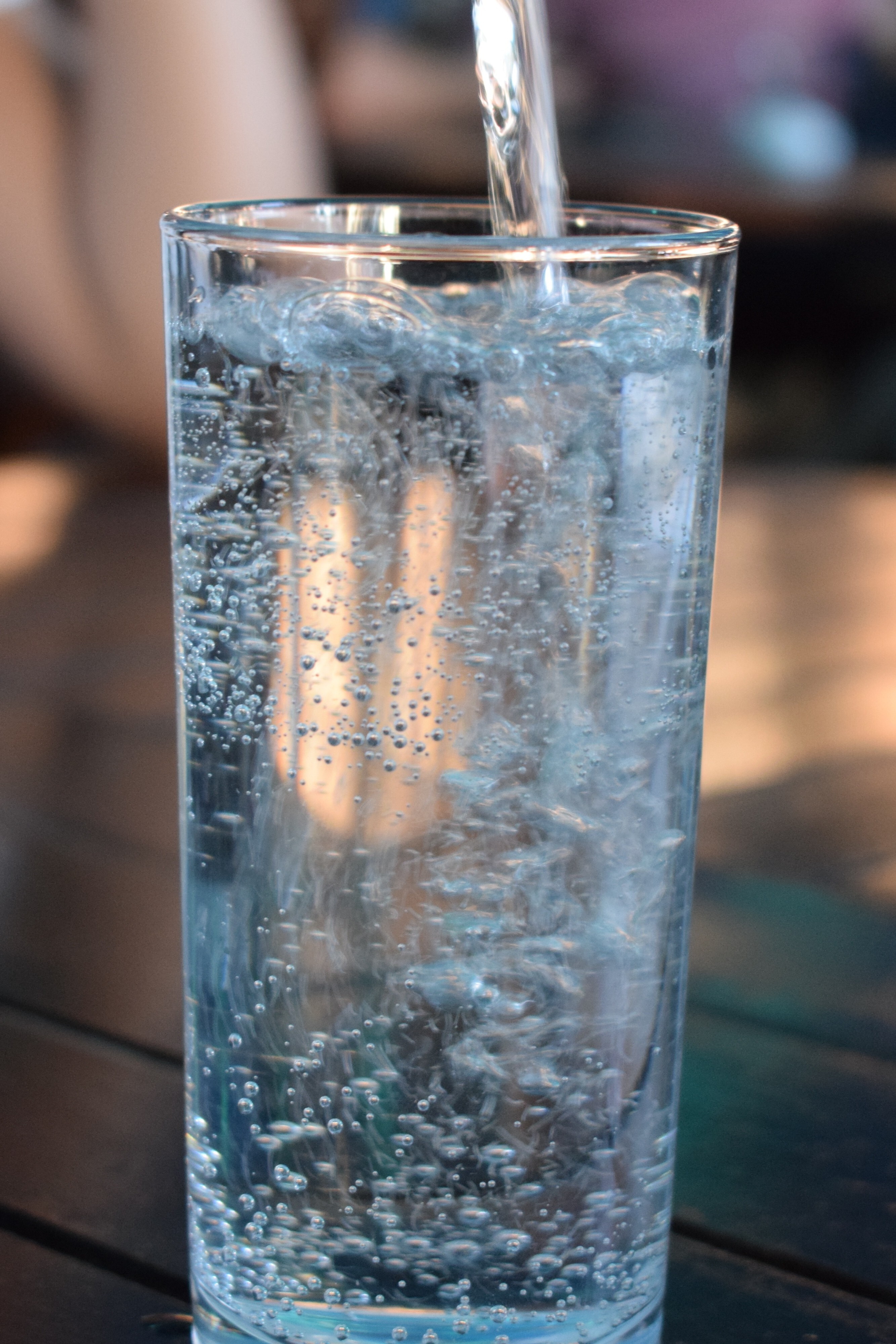
Buy organic LCO₂ sustainably and reliably
As an experienced broker, we know how important high-quality organic CO₂ and organic LCO₂ is for different applications. Our customers - from industrial companies to smaller businesses - trust us to always deliver reliably and in line with their needs.
Always buy organic LCO₂ / organic CO₂ sustainably from us
Are you looking for a reliable source to buy high quality and sustainable LCO₂? It can be a challenge to find a trustworthy supplier that delivers both the quality and quantity you need. This is where we come in.
The organic CO₂ and LCO₂ we provide you with meets the highest quality standards.
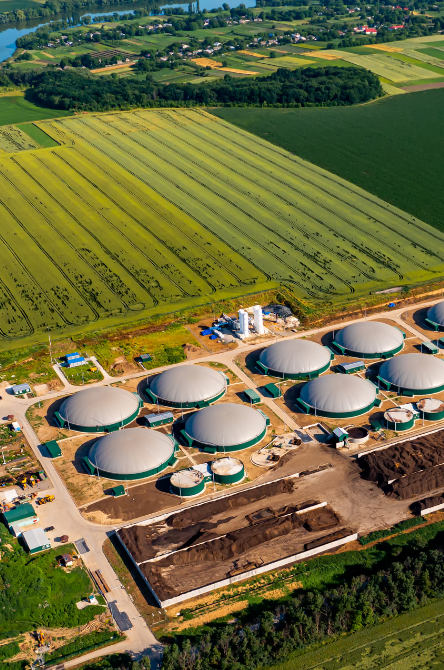
Your reliable partner for organic CO₂ and organic LCO₂
As an experienced broker with many years of market knowledge, we support companies of all sizes in purchasing sustainable organic CO₂ and organic LCO₂. Thanks to tailor-made solutions, personal support and high delivery reliability, we ensure that quality, quantity availability and service reliably meet your requirements.
We support you throughout the entire procurement process - from the selection of suitable qualities through to reliable and predictable implementation. Our aim is to make it easier for you to access the market and to create economical, sustainable solutions.
You benefit in particular from the following advantages.
-
LCO₂ / CO₂ in the desired quantity and quality - reliably available and individually tailored to your requirements
-
Access to a large, reliable supply network with transparent distribution channels and high delivery reliability
-
Flexible delivery models with short and long-term delivery options for maximum planning security
-
Attractively priced conditions thanks to market-driven procurement and efficient brokerage processes
-
Wide-ranging service portfolio from procurement and brokerage to individual advice and support along the entire value chain
“WE WILL CONTINUE TO RELY ON AGRIPORTANCE’S SERVICES AND SOFTWARE IN THE FUTURE, AS THEY SIGNIFICANTLY SIMPLIFY THE COLLECTION OF THE REQUIRED DATA.”
"WITH THE SOFTWARE FROM AGRIPORTANCE, WE CAN NOW PREPARE AND TRANSMIT OUR GREENHOUSE GAS AND MASS BALANCES QUICKLY, EFFICIENTLY, AND DIGITALLY."

"AGRIPORTANCE IS A RELIABLE PARTNER FOR US IN BUILDING A SUSTAINABLE AND COMPLIANT BIOMETHANE PORTFOLIO."

"EFFICIENT, COMPETENT AND PERSONAL – WORKING WITH AGRIPORTANCE IS TRULY CONVINCING."

Information about LCO₂
What is the difference between Bio-LCO₂ and LCO₂?
Bio-LCO₂ and LCO₂ are both liquid carbon dioxide, but they differ in their origin and application. Bio-LCO₂ is obtained from sustainable and renewable sources such as biomass or biogas, while LCO₂ comes from fossil fuels or industrial processes. As bio-LCO₂ is more environmentally friendly, it is preferred for use in green technologies and ecological applications. LCO₂, on the other hand, is used in a variety of industries, such as the food industry, beverage production or in cooling systems. When purchasing LCO₂, it is worth paying attention to its origin and choosing organic LCO₂ to help protect the environment.
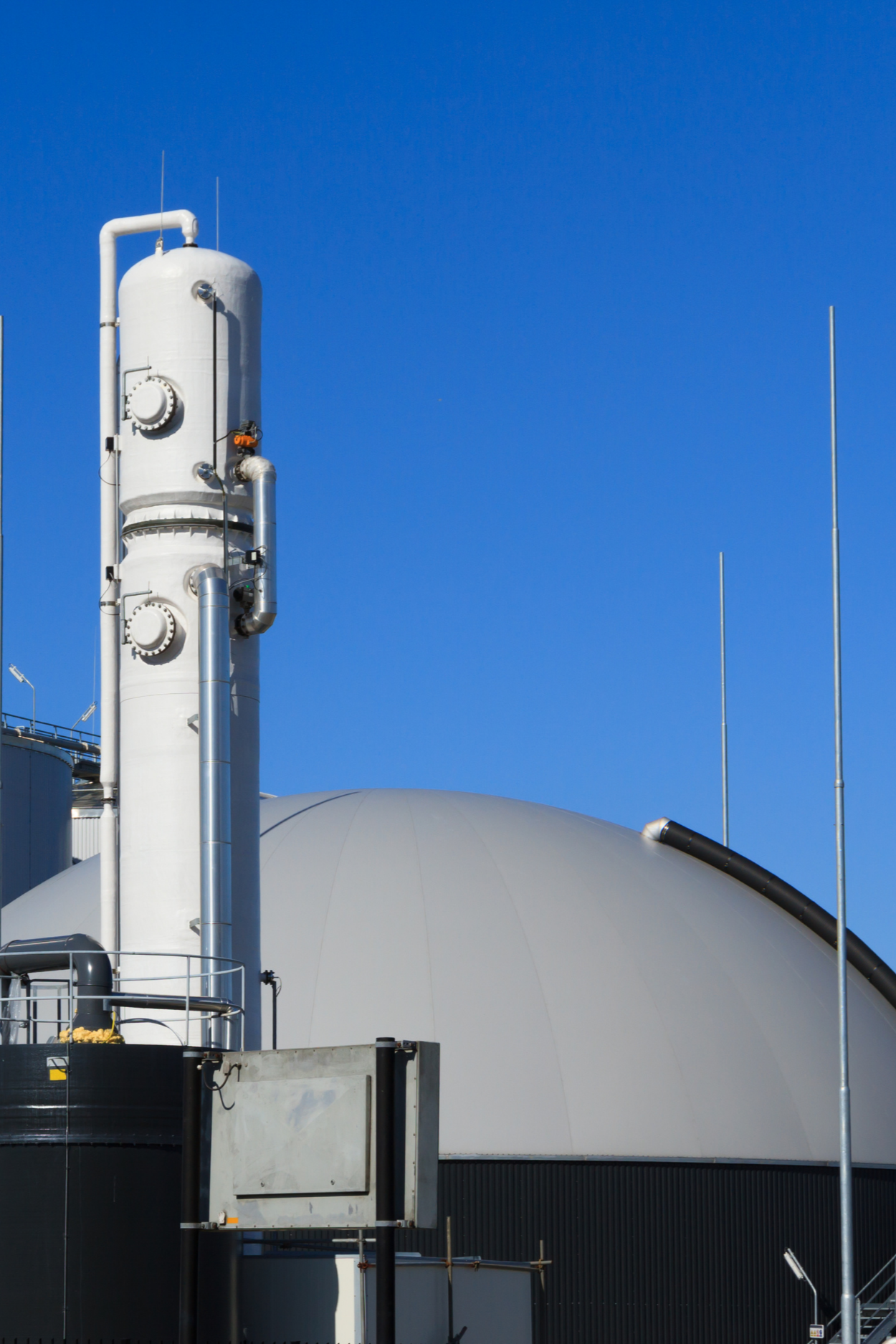
The most important standards and guidelines for LCO₂
The most important standards and guidelines that are relevant for handling LCO₂ include
ISO 12696: Industrial gases - Liquid carbon dioxide - Specification and test methods
CGA G-6.3: Carbon Dioxide
IGC Doc 101/04/E: Carbon Dioxide Specification
DOT 49 CFR 173.304: General requirements for shipment of compressed gases
UN Model Regulations: Recommendations on the Transport of Dangerous Goods, in particular Section 2.2.2 for carbon dioxide
These standards and regulations set out specifications, test methods and requirements for the production, transportation, storage and safe handling of liquid carbon dioxide, including Bio-LCO₂.
It is important to note the current regulations and standards in your specific geographic area as they may vary by country or region. Feel free to contact us and we will provide you with the specific information on the standards for Bio-LCO₂ in your region.
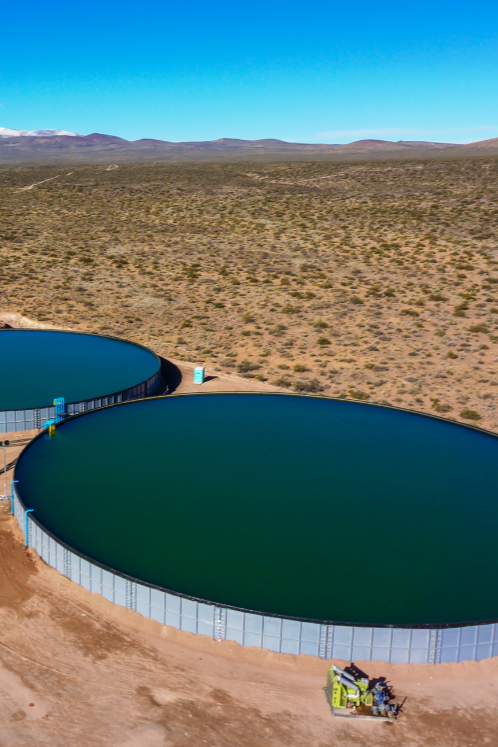
What qualities of organic LCO₂ are available?
Would you like to buy organic LCO₂ and are you looking for the best qualities for your project? Below we will take a closer look at the different qualities of Bio-LCO₂ and their respective areas of application.
What is high-purity organic LCO₂
High-purity organic LCO₂ is produced through an elaborate process of purification and refinement. It is characterized by an extremely low content of impurities, which makes it ideal for applications where purity is of utmost importance. For example, high-purity organic LCO₂ is used in the food and beverage industry to produce carbon dioxide for carbonated drinks. It ensures consistent quality and taste.
What is technical organic LCO₂
Technical Bio-LCO₂ has a slightly higher content of impurities compared to high-purity Bio-LCO₂. It is often used in industrial processes where high purity is not a decisive factor. For example, technical Bio-LCO₂ is used in metal processing to cool and protect metals. It can also be used as dry ice for the transportation of perishable goods.
What is medical grade bio-LCO₂
Medical Bio-LCO₂ meets the highest standards of purity and quality. It undergoes rigorous testing to ensure that it is suitable for medical applications. Medical grade Bio-LCO₂ is used in medical technology, for example in minimally invasive surgical procedures where precise cooling is required. It is also used in the pharmaceutical industry to store medicines under controlled conditions.
By purchasing Bio-LCO₂, you are also supporting the environment. Bio-LCO₂ is made from renewable raw materials and therefore reduces CO₂ emissions compared to conventional LCO₂. It is an environmentally friendly alternative that contributes to a more sustainable future. If you want to buy organic LCO₂, you should contact reliable suppliers and manufacturers who offer the different qualities. Compare prices and production processes to find the best option for your requirements. Remember that choosing the right grade of Bio-LCO₂ is crucial to achieve optimal results in your specific application area.
Overall, the different grades of Bio-LCO₂ offer a wide range of applications in various industries. From the food industry to metal processing and medical technology - Bio-LCO₂ can make a positive contribution in various applications. Invest in high-quality Bio-LCO₂ to achieve your goals and protect the environment at the same time.
Buying Bio-LCO₂ gives you the opportunity to use high-quality and environmentally friendly sources of carbon dioxide. The different qualities of Bio-LCO₂ offer specific advantages for different areas of application, whether in the food industry, metal processing or medical technology. Choose the right quality for your requirements and help protect the environment. Buying Bio-LCO₂ has never been as sensible and forward-looking as it is today.
What characterizes qualitative LCO₂?
Qualitative liquid carbon dioxide (LCO₂) is characterized by various features:
Purity: Qualitative LCO₂ is generally used in industrial processes where purity and consistency are important. Care is therefore taken to ensure that it is as free as possible from impurities in order to guarantee optimum performance and safety.
Refrigeration: LCO₂ is a liquid that has a very low boiling point (-78.5 degrees Celsius) at room temperature and normal atmospheric pressure. This means it can be used as a refrigerant in various applications, e.g. in the food industry for cooling foodstuffs.
Non-flammable: LCO₂ is non-flammable, which makes it a safe medium for many applications. It is often used as a substitute for flammable liquids or gases when a low temperature is required.
Environmental compatibility: LCO₂ is a naturally occurring gas and is often considered a "green" refrigerant. It does not contribute to the destruction of the ozone layer and has a very low greenhouse gas effect.
Versatility: LCO₂ is used in various industries, such as the food and beverage industry, the chemical industry, medical technology, electronics and many others. It can be used for various purposes, such as cooling, inerting, extraction or cleaning.
These characteristics make qualitative LCO₂ an important medium in many industrial applications where cold, safety and environmental compatibility are important.
Is it possible to wash with LCO₂?
Yes, it is possible to wash with liquid carbon dioxide (LCO₂). LCO₂ is used as an environmentally friendly solvent in various applications, including textile cleaning. The process is known as CO₂ cleaning or CO₂ washing.
In CO₂ cleaning, liquid carbon dioxide is pressurized and brought to a state in which it has the properties of both a liquid and a gas. In this state, it can be used as a solvent to remove dirt, grease and other impurities from materials.
The process of CO₂ cleaning has several advantages over conventional cleaning methods. It is more environmentally friendly as it does not require chemical solvents or water. No liquid waste is produced, as the carbon dioxide returns to its gaseous state after the washing process. CO₂ cleaning is also gentler on the materials to be cleaned, as it does not require high temperatures or aggressive chemicals.
However, it should be noted that CO₂ cleaning is not suitable for all types of textiles. Some materials may be sensitive to the high pressure and temperature changes that can occur during the process. It is therefore important to follow the manufacturer's instructions and select suitable textiles for CO₂ cleaning.

How is LCO₂ used in the beverage industry?
LCO₂, or liquid carbon dioxide, is used in the beverage industry for various purposes. Here are some of the most common applications:
Carbonation of beverages: LCO₂ is used to add carbonation to beverages such as soft drinks, beer or seltzer water. The liquid carbon dioxide is dosed into the beverage in special carbonation systems to create bubbles and the characteristic sparkling texture.
Bottling under pressure: When filling beverages into bottles or cans, LCO₂ is often used to apply pressure to the beverage. This serves to minimize the penetration of oxygen and improve the shelf life of the beverage. The pressure keeps the drink fresher and carbonated for longer.
Protective gas for beverages: In some cases, LCO₂ is used as a protective gas to protect certain beverages from oxidation. For example, liquid carbon dioxide can be sprayed over the beverage or filled into the container to reduce the oxygen content and thus prevent oxidation. This is used in particular for sensitive beverages such as wine or beer with a low alcohol content.
It is important to note that LCO₂ must be handled safely in the beverage industry. It is usually transported and stored in special pressurized containers to ensure safety.
Request organic CO₂ & organic LCO₂ now
Please contact us using the form and let us work together to find the right solution for your needs - we will advise you personally and without obligation.
How can we help you?
Here you will find some of the most frequently asked questions. If you do not find what you are looking for, you can contact us at any time by phone or email.
General
-
agriportance is a specialized platform for biomethane and LCO₂ and offers sustainable product solutions. We support companies along the entire biomethane value chain – from brokerage and certifications to GHG and mass balance calculations as well as training and consulting. All services are coordinated and available from a single source.
-
Our services are aimed at companies along the entire biomethane value chain – including biogas plant operators, gas network operators, energy suppliers, industrial companies, traders, as well as companies that want to reduce their GHG emissions, procure biomethane and LCO₂, or implement sustainable product solutions.
-
Yes. Our services are scalable and tailored individually to the requirements and resources of your company – regardless of company size.
Brokerage of biomethane and LCO₂
-
We connect producers, traders and buyers of biomethane and LCO₂ and support the entire brokerage process – from initial contact and contract structuring to successful completion.
-
After an initial needs analysis, we identify suitable suppliers from our network, support negotiations and assist with contractual arrangements. This gives you access to certified biomethane that meets your requirements.
-
LCO₂ (liquefied CO₂) is produced as a by-product during biogas upgrading and can be used industrially – for example in the food industry, agriculture or technology. The use of LCO₂ contributes to resource efficiency and the reduction of greenhouse gas emissions.
GHG accounting
-
A greenhouse gas balance (GHG balance) records and evaluates all climate-relevant emissions along a process or product – from production to use. It is often a prerequisite for certifications and regulatory compliance.
-
A GHG balance is required, among other things, if you want to market biomethane as a renewable fuel, pursue sustainability certifications or provide proof within the framework of the European Renewable Energy Directive (RED II / RED III).
-
Our GHG calculations are based on the current regulatory requirements of RED III as well as the specifications of the relevant certification systems (REDcert², ISCC, SURE). We document all calculations in a transparent and audit-proof manner.
Sustainability certifications
-
We support certifications according to the three leading systems in Germany and Europe:
- REDcert – for biomass and biofuels
- ISCC (International Sustainability and Carbon Certification) – internationally recognized, for various feedstocks and supply chains
- SURE (Sustainable Resources Verification Scheme) – recognized for biofuels and biomass under RED II / RED III
-
A certification proves that your products or processes meet legal sustainability requirements. It is often a prerequisite for marketing biomethane as a fuel, for accessing funding programs and for counting towards national greenhouse gas reduction quotas.
-
A gap assessment is a preliminary analysis in which we compare your company’s current status with the requirements of the respective certification system. This allows gaps to be identified early and closed in a targeted manner before the official audit takes place.
-
The duration depends on your company’s initial situation, the chosen certification system and the certification body. Experience shows that you should plan three to six months for an initial certification. We ensure through structured preparation that the process is as efficient as possible.
-
We also support you during annual surveillance and recertification – including documentation maintenance, preparation for follow-up audits and ongoing communication with the certification body.
Mass balancing
-
Mass balancing is a method for tracking material flows – for example biomethane within a gas network. It ensures that the sustainability characteristics of a product can be documented and transferred along the supply chain without having to physically track quantities directly.
-
Yes. For the marketing of biomethane as a fuel and for eligibility for greenhouse gas quota accounting, a compliant mass balance according to RED III or the respective certification systems is mandatory.
-
Yes. We take care of the complete setup, maintenance and documentation of your mass balance system – audit-proof and ready at any time.
Training and consulting
-
We offer practical training on the following topics:
- fundamentals and functioning of biomethane
- sustainability certifications (REDcert², ISCC, SURE)
- greenhouse gas accounting and mass balancing
- regulatory requirements (RED III, BImSchG, GEG)
- internal audits and certification preparation
-
Our trainings are aimed at specialists and managers in the fields of energy, sustainability, compliance and procurement – both beginners and experienced professionals who want to update their knowledge.
-
Yes. In addition to our standard trainings, we provide individual consulting – for example in developing a biomethane strategy, optimizing existing processes or preparing for regulatory changes.
-
We offer both – digital formats (webinars, online workshops) as well as on-site events at your location or at our premises.
Collaboration and contact
-
The collaboration begins with a free initial consultation in which we analyze your needs and jointly define the appropriate scope of services. You will then receive an individual offer. Operational collaboration takes place with dedicated contacts, clear processes and transparent communication.
-
We can usually start at short notice. Simply contact us – we will get back to you within 24 hours.
-
You can reach us via the contact form on our website, by email or by phone. All contact details can be found on our contact page.