
Alternative fuels such as LNG and CNG: overview of the differences
The renewable fuel biomethane is surrounded by a large number of abbreviations for a wide variety of products, including LNG. To help you keep track, the explanations of all the necessary abbreviations can be found on the following definition page.
CNG
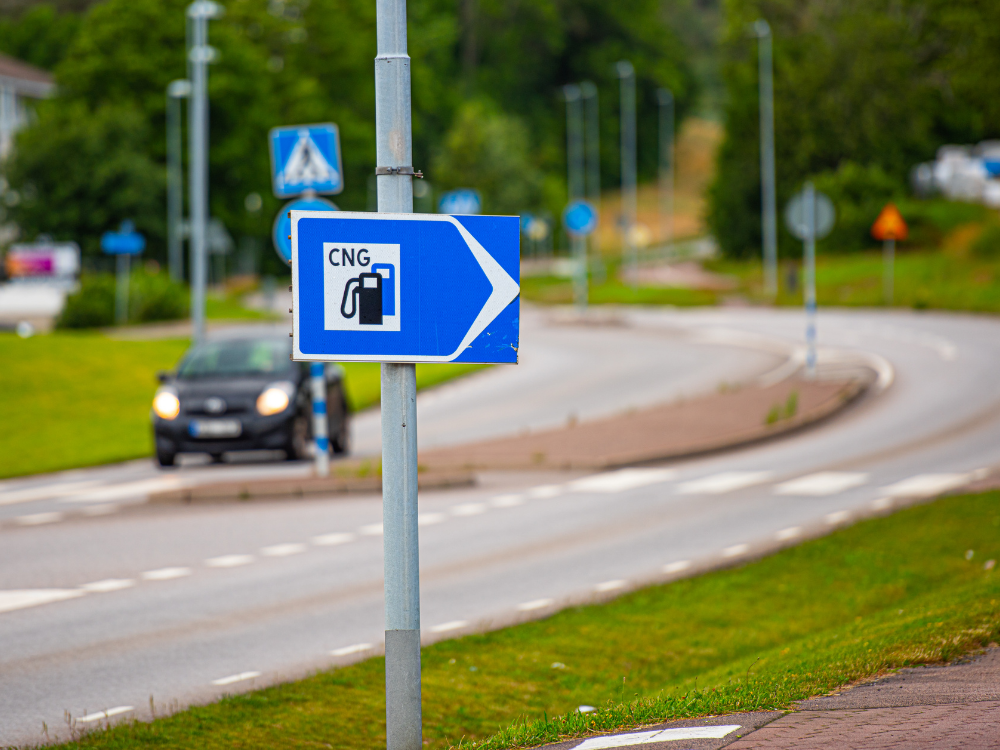
The abbreviation CNG stands for Compressed Natural Gas. Around 98 % of gaseous CNG consists of methane, most of which is covered by natural gas. Biomethane and synthetic methane generally make up a smaller proportion. CNG can be used by cars or lorries with a petrol engine that can be converted to a natural gas/CNG drive.
has been converted. In the passenger car sector, VW and Fiat have a range of CNG-powered production vehicles. In the lorry sector, Scania and Iveco are strongly represented in CNG drives and New Holland will soon be launching a 180 hp tractor with a CNG drive in series production. With almost 900 CNG filling stations, there is already a comprehensive network of filling stations in Germany. CNG is therefore the only alternative fuel with a nationwide refuelling station network that significantly reduces CO2 emissions. CNG can reduce CO2 emissions by up to 25 % compared to diesel.
Bio-CNG
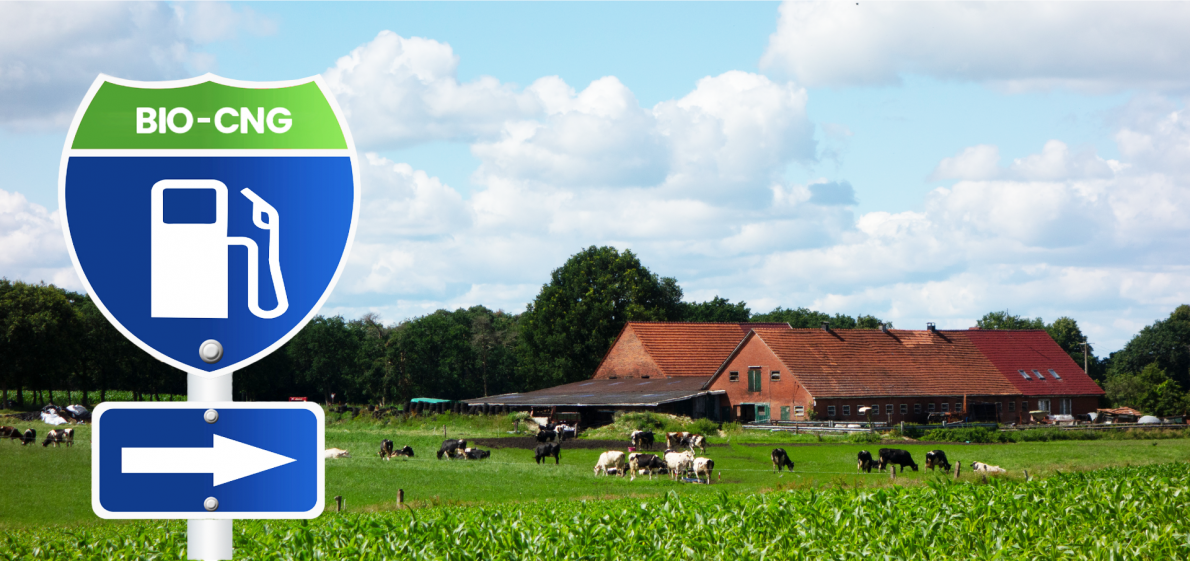
Bio-CNG stands for Bio-Compressed Natural Gas. It has the same qualities as CNG, but consists of 100 % biomethane. Biomethane is produced by fermenting organic waste or liquid manure in a biogas plant. Cars or lorries powered by CNG can easily be refuelled with bio-CNG. One advantage of bio-CNG is its low greenhouse gas emissions, which makes it one of the most climate-friendly fuels.
LNG
The abbreviation LNG stands for liquefied natural gas. In contrast to CNG, LNG is not gaseous but liquid. It is characterised by a high energy density and good storage options and is particularly predestined for heavy goods transport and shipping. It becomes liquid at a temperature below -162°C
LNG lorries can achieve a range of over 1500 km thanks to their high energy density. LNG-powered lorries are already available in series production from the Scania and Iveco brands. Similar to CNG, LNG reduces greenhouse gas emissions, but with fewer than 40 filling stations, there is not yet a comprehensive network of filling stations for LNG. Alternative fuels such as LNG could play a greater role here in the future.
Bio-LNG
Similar to Bio-CNG, Bio-LNG at 100% consists of Biomethane. Bio-LNG has similar material properties to LNG. The farmer can liquefy the bio-LNG directly at the biomethane plant or deliver the biomethane to a collection point. The potential for bio-LNG is huge, as e-mobility has so far been difficult to realise, particularly due to the heavy weight of batteries in heavy goods vehicles and shipping. Fuels such as bio-LNG and BIO-CNG offer a good alternative here.
LPG
LPG, also known as liquid petroleum gas, is a liquid gas consisting mainly of butane and propane. It is intended for use in combustion engines after a conversion and is a by-product of oil and gas refining. Unlike CNG, there is no climate-friendly variant of LPG, but the CO2e emissions of LPG are nevertheless 15 % lower than those of petrol.
PTG
PTG stands for Power to Gas. Power to gas plants can be used to produce various fuels using electrical energy, such as hydrogen or synthetic methane. The current problem with PTG systems is often that the greenhouse gas balance of the fuels produced with the German electricity mix is worse than that of petrol or diesel.
 Deutsch
  English (UK)
  Français
  Italiano
  Español
  Polski
  Svenska
  Dansk
Dansk  Nederlands (België)
  Português
  Čeština